What to Look for in Residential Interior Designers in Noida
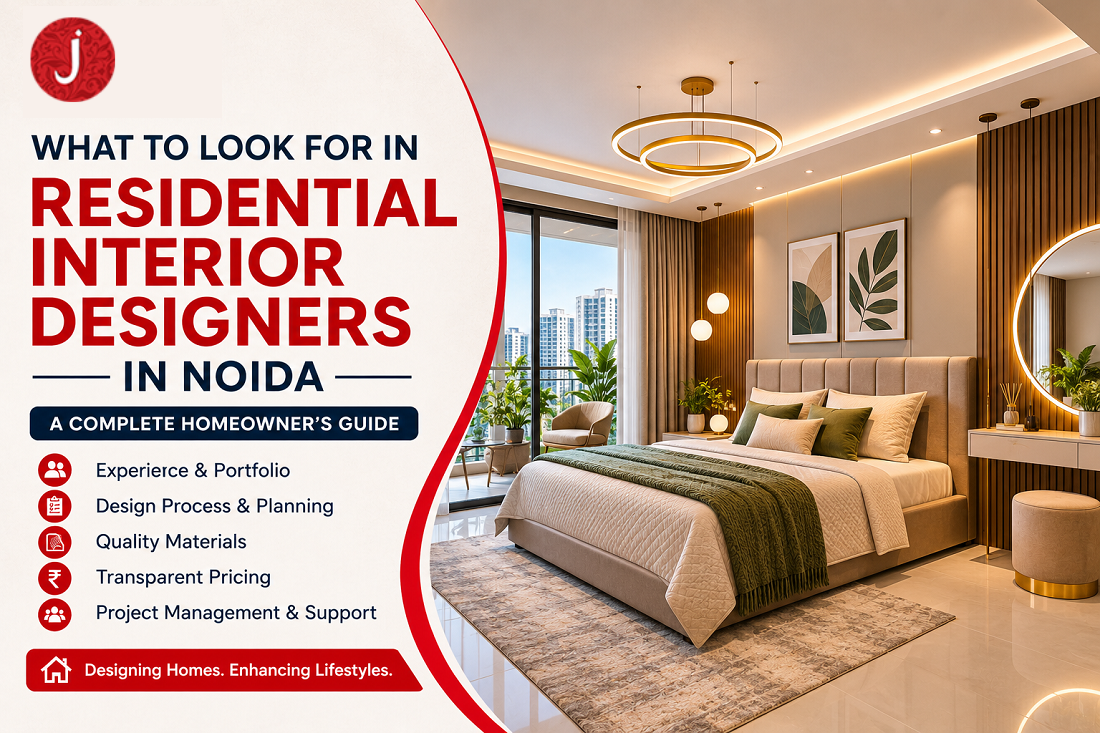
When searching for the Top Residential Interior Designers in Noida, look beyond attractive portfolio images. Choose a designer who has completed residential projects similar to your home, understands your lifestyle and requirements, offers transparent, itemized quotations, and has genuine client reviews. A clearly defined design and execution process is equally important to ensure your project progresses smoothly from concept to completion.
Choosing the right Residential Interior Designer in Noida is an important decision when building, renovating, or upgrading your home. A professional interior designer does more than select colours, furniture, and decorative elements. They understand your lifestyle, make the best use of available space, recommend suitable materials, develop functional layouts, and coordinate execution to turn your vision into a comfortable and practical living space.
With numerous interior design studios and professionals operating across Noida and Greater Noida, finding the right partner requires careful consideration. Comparing their experience, completed projects, design approach, pricing, material quality, and project management capabilities can help you make an informed decision while avoiding unnecessary expenses, delays, and design compromises.
Why Choosing the Right Interior Designer Matters
Choosing the right residential interior designer can make a significant difference in how your home looks and functions. A designer who understands your requirements can help you:
- Utilise available space more effectively and create practical room layouts.
- Improve storage capacity and maintain better organisation throughout your home.
- Plan lighting and furniture arrangements around your everyday lifestyle.
- Select durable materials and finishes suitable for Noida’s weather conditions and daily usage.
- Avoid unnecessary expenses caused by poor planning, unsuitable materials, or incorrect execution.
The impact of a poor design decision may not be obvious initially. However, problems such as unexpected expenses, delayed completion, inadequate storage, and inefficient layouts can become frustrating over time. A home should not only look attractive in photographs but also provide comfort and convenience for the people living in it.
1. A Residential Portfolio That Matches Your Requirements
When evaluating residential interior designers in Noida, don’t rely entirely on impressive 3D renders or promotional photographs. Look for actual completed projects that are relevant to your property and design expectations.
Consider whether the designer has experience with:
- 2 BHK and 3 BHK residential apartments.
- Luxury apartments and premium residential properties.
- Independent houses, villas, and duplex homes.
- Builder floors and high-rise residential apartments.
- Compact homes requiring creative space-saving solutions.
- Modular kitchens, customised wardrobes, and storage units.
- Complete living room, bedroom, and dining area interiors.
For instance, designing a compact apartment in Sector 62 or Sector 137 requires a different approach compared to creating interiors for a spacious villa in Greater Noida or a premium residence in Sector 150. Storage planning, furniture proportions, and efficient utilisation of space become particularly important in smaller homes.
Ask the designer to share photographs of finished projects, including actual installations and completed interiors. Reviewing projects after handover can also provide a better understanding of workmanship, material quality, and long-term durability.
2. Experience With Different Residential Property Types
Residential properties differ in terms of layout, available floor area, architectural features, and functional requirements. A designer experienced in apartment interiors may need a different planning approach when working on an independent house or luxury villa.
Before hiring an interior designer in Noida, evaluate their experience in handling:
- Floor layouts, room dimensions, and natural lighting conditions.
- Storage planning and comfortable movement between furniture.
- Electrical connections, lighting arrangements, and ventilation.
- Family-specific requirements and everyday living patterns.
- Material selection, maintenance, and long-term functionality.
An experienced designer should be able to identify practical challenges during the initial planning stage. Addressing these issues before execution begins helps reduce unnecessary modifications, additional costs, and project delays.
3. A Proper Understanding of Your Lifestyle
A successful residential interior design project starts with understanding the people who will use the space. Attractive colours, furniture, and decorative elements are important, but the overall design should also support your daily activities.
Before finalising a designer, consider whether they discuss:
- The number of family members, including children and elderly parents.
- Your work-from-home requirements and the need for a dedicated workspace.
- Daily storage requirements, wardrobe space, and household organisation.
- How frequently you entertain guests or organise family gatherings.
- Your preferred interior design style, colour combinations, and future plans.
Understanding these preferences allows designers to develop customised solutions instead of applying the same design concept to every property. The result should be a home that reflects your personality while remaining comfortable and practical.
4. Strong Space Planning and Layout Optimisation
Space planning is one of the most important aspects of residential interior design, particularly in apartments where every square foot needs to serve a purpose.
Across Noida’s residential developments, apartments come in different sizes and configurations. A well-planned interior can improve usability without making rooms feel crowded or compromising their visual appeal.
Look for designers who understand:
- Furniture positioning and sufficient movement space between different areas.
- Smart storage options, including full-height wardrobes, overhead cabinets, and under-bed storage.
- Efficient kitchen layouts with convenient access to cooking, washing, and storage areas.
- Functional zoning for living, dining, and working spaces.
- Space-efficient furniture and customised storage for smaller apartments.
Effective space planning helps create interiors that feel organised, spacious, and easy to maintain while making the best use of the available floor area.
5. A Well-Defined Interior Design and Execution Process
A professional residential interior designer should follow an organised workflow, keeping homeowners informed about design decisions, material selection, and project progress.
A typical residential interior design process includes:
- Initial Consultation – Discussing your lifestyle, design expectations, functional requirements, and estimated budget.
- Site Inspection and Measurement – Visiting the property to assess room dimensions, existing conditions, and available space.
- Concept Development – Preparing initial layouts, design themes, colour schemes, and material suggestions.
- 3D Design and Visualisation – Creating realistic visual representations to help you understand the proposed interiors.
- Design Revisions – Refining layouts, furniture arrangements, and finishes according to your feedback.
- Material Selection and Technical Drawings – Finalising specifications, finishes, measurements, and execution drawings.
- Project Execution – Managing manufacturing, carpentry, installation, and coordination with different contractors.
- Final Inspection and Handover – Reviewing completed work, checking finishing details, and addressing pending corrections.
A transparent workflow helps establish clear expectations and reduces the possibility of misunderstandings during the project. Before signing an agreement, make sure the designer explains which stages are included in the proposed package.
6. Quality and Durability of Recommended Materials
The overall appearance of your home depends on design and material selection, but the quality of those materials determines how well the interiors perform over time.
Before approving a design proposal, ask about the specifications, durability, maintenance requirements, and warranty of the materials being recommended.
Some important materials and finishes to discuss include:
- Plywood, MDF, particle board, laminates, and natural veneers.
- Interior paint, decorative wall finishes, and flooring materials.
- Cabinet hardware, hinges, drawer channels, and fittings.
- Modular kitchen cabinets, countertops, and wardrobe finishes.
- Glass partitions, lighting fixtures, and bathroom accessories.
A knowledgeable interior designer should explain the advantages and limitations of different material options. Recommendations should consider the intended application, expected usage, maintenance, and available budget rather than focusing only on appearance.
7. Transparent and Itemised Interior Design Pricing
Interior design quotations can vary considerably depending on property size, material specifications, furniture requirements, and the level of customisation involved.
Two proposals with similar overall prices may include very different material grades, hardware brands, installation charges, and project deliverables.
As a broad 2026 market reference for Noida and Greater Noida, the following figures provide an indicative starting point. Actual costs depend on the scope of work, design complexity, material selection, and finishing standards.
| Property Type | Approximate Full Interior Budget | Major Cost Factors |
|---|---|---|
| 2 BHK Apartment | ₹8–18 lakh | Kitchen specifications, wardrobe finishes, furniture, and false ceiling work. |
| 3 BHK Apartment / Builder Floor | ₹15–35 lakh | Number of bedrooms, customised storage, civil modifications, and lighting. |
| Villa / Independent House | ₹35 lakh onwards | Premium materials, customised furniture, multiple floors, and specialised finishes. |
| Design Consultation Only | Fixed or hourly professional fee | Designer experience, consultation duration, and scope of design services. |
Before accepting a quotation, confirm whether it includes the following services:
- Interior design and consultation fees.
- Civil work, carpentry, and electrical installations.
- Plumbing, painting, and false ceiling work.
- Modular kitchen and wardrobe manufacturing.
- Furniture, lighting, and decorative installations.
- Transportation, labour, and installation charges.
- Project coordination and site supervision.
Request a written, itemised quotation that clearly identifies included services, material specifications, exclusions, and any additional charges. This makes it easier to compare proposals and manage your overall interior design budget.
8. Effective Project Management and Site Supervision
Residential interior projects involve several activities, including carpentry, electrical installations, painting, fabrication, and furniture assembly. Coordinating these activities properly is essential for maintaining quality and completing work within the planned schedule.
Before appointing an interior design firm, ask:
- Who will be responsible for supervising the project site?
- How frequently will the designer or project manager visit the property?
- Who coordinates between carpenters, electricians, painters, and other contractors?
- How will changes in design or material specifications be managed?
- How will you receive updates about project progress and unexpected delays?
Reliable project management ensures better coordination between different teams and helps maintain consistency between the approved design and the final execution.
9. Genuine Client Reviews and Previous Project Feedback
Client feedback can provide valuable information about an interior designer’s professionalism, execution quality, and overall project management capabilities.
Instead of considering star ratings alone, look for detailed reviews that discuss:
- Quality of completed interiors and workmanship.
- Adherence to agreed project timelines.
- Communication and responsiveness during execution.
- Material quality and transparency in pricing.
- Budget management and handling of additional requirements.
- After-sales assistance and post-handover support.
Where possible, request references from previous customers and speak with homeowners who have completed similar projects. Their experiences can help you understand what working with the designer is actually like.
10. Clear Communication and Professional Coordination
Interior design projects involve several discussions and approvals, from selecting materials to finalising furniture dimensions and installation details. Clear communication helps ensure that everyone remains aligned throughout the process.
A professional designer should be able to:
- Explain design concepts and recommendations in an understandable manner.
- Discuss material specifications, project costs, and expected timelines.
- Listen to your preferences and incorporate relevant feedback.
- Provide regular updates about project progress.
- Communicate design changes, additional expenses, and execution challenges in advance.
Good communication creates a more organised working relationship and helps prevent misunderstandings during different stages of the project.
11. Realistic 3D Visualisation and Design Revisions
3D visualisation allows homeowners to understand how their proposed interiors may look before the actual execution begins. It provides a clearer picture of furniture arrangements, wall finishes, lighting, flooring, and ceiling designs.
When discussing 3D design services, ask the interior designer:
- Whether 3D visualisations are included in the selected package.
- How many design revision rounds are available.
- Whether the proposed visuals reflect the actual material specifications.
- Whether furniture dimensions and room proportions are accurately represented.
- How final design approvals are documented before execution.
Realistic visualisation makes design decisions easier and helps reduce discrepancies between the approved concept and the completed interiors.
12. A Written Agreement With Clearly Defined Terms
Before beginning a residential interior design project, ensure that all important discussions and commitments are documented in a written agreement.
The agreement should clearly mention:
- Complete project scope and list of deliverables.
- Material specifications, brands, and approved finishes.
- Total project cost and payment milestones.
- Estimated project duration and completion schedule.
- Responsibilities of the designer, contractors, and homeowner.
- Number of included design revisions.
- Process for handling additional work and design changes.
- Warranty conditions and after-sales support.
A properly documented agreement protects both the homeowner and the design firm by establishing clear responsibilities and expectations before work begins.
13. Understanding Noida’s Residential Landscape and Local Requirements
Working with an interior designer who understands Noida’s residential developments can offer practical advantages during planning and execution.
Different property types and residential sectors may have specific design considerations that need to be addressed before starting the project.
For example:
- High-Rise Apartments: Residential apartments in sectors such as 50, 75, 76, and 137 often require careful planning of available space, storage, furniture dimensions, and lighting.
- Independent Houses and Builder Floors: These properties may require additional attention to waterproofing, moisture protection, terrace areas, and material selection.
- Dust and Air Quality: Washable surfaces, easy-to-maintain fabrics, and practical furniture finishes can help reduce everyday cleaning requirements.
- Seasonal Weather Conditions: Summer heat and monsoon humidity make ventilation, suitable window treatments, and moisture-resistant materials important considerations.
- Residential Society Guidelines: Interior renovation work may need to follow society regulations, working hours, material movement restrictions, and approved modification procedures.
A designer with experience in Noida’s residential projects should understand these practical considerations and incorporate them into the planning process wherever relevant.
14. Focus on Overall Value Rather Than the Lowest Quotation
Choosing an interior designer solely because they offer the lowest price can lead to compromises in material quality, design detailing, workmanship, or project supervision.
A lower quotation may also exclude important services that are later added as additional expenses.
Instead of comparing designers only on price, evaluate the overall value they offer in terms of:
- Residential design experience and completed projects.
- Creative concepts and effective space utilisation.
- Material quality and workmanship standards.
- Transparency in pricing and project deliverables.
- Execution capabilities and site management.
- Communication, reliability, and after-sales assistance.
The right interior design partner is one who can deliver a practical, well-designed home while working within your financial expectations.
15. Important Questions to Ask Before Hiring an Interior Designer
Before finalising a residential interior designer in Noida, discuss the following questions to understand their experience, working process, and service commitments.
- How many residential interior design projects have you completed?
- Can you share photographs of completed residential projects?
- Do you have experience with properties similar to mine?
- What services and deliverables are included in your interior design package?
- Which materials and hardware brands do you recommend?
- Will I receive a detailed, itemised project quotation?
- Who will manage the project and supervise on-site activities?
- What is the estimated project completion timeline?
- How do you manage design changes and additional requirements?
- What warranty and post-completion support do you provide?
Pay attention to how clearly and confidently the designer answers these questions. Detailed explanations and transparent commitments can help you assess whether the professional is the right fit for your project.
Final Checklist Before Hiring a Residential Interior Designer in Noida
Before making your final decision, use this checklist to compare different interior design professionals and firms.
- [ ] Relevant residential design experience and completed project portfolio.
- [ ] Understanding of your lifestyle and functional requirements.
- [ ] Strong space planning and layout optimisation capabilities.
- [ ] Clearly explained design and execution process.
- [ ] Transparent and itemised pricing structure.
- [ ] Suitable material options with clear specifications.
- [ ] Reliable project management and site supervision.
- [ ] Genuine client reviews and previous project references.
- [ ] Clear communication and professional coordination.
- [ ] Written agreement covering project scope, costs, and timelines.
- [ ] Defined warranty terms and after-sales support.
Frequently Asked Questions
What should I look for when hiring a residential interior designer in Noida?
Look for a designer with relevant residential experience, a portfolio of completed projects, strong space-planning skills, and a clearly defined design-to-execution process. Transparent quotations, quality materials, reliable project management, and genuine client reviews are equally important when making your decision.
How much does residential interior design cost in Noida?
As a broad 2026 market reference, complete interior projects for a 2 BHK apartment may cost approximately ₹8–18 lakh, while 3 BHK homes may range from ₹15–35 lakh. Villa and independent house interiors can start from ₹35 lakh and increase depending on the scope, customisation, and material specifications. Actual costs vary, so request a detailed quotation based on your property and requirements.
What questions should I ask before hiring an interior designer?
Ask about their previous residential projects, design process, material specifications, package inclusions, project timeline, payment schedule, and warranty conditions. You should also clarify who will supervise the site and how additional work or design modifications will be handled.
Should I hire an independent interior designer or an interior design company?
Both options can be suitable depending on your project requirements. Independent designers may offer more direct involvement and personalised attention, while established interior design companies may have dedicated teams for design, procurement, execution, and project management. Compare their actual experience, services, and deliverables before deciding.
How long does a residential interior design project take in Noida?
A complete residential interior project may take approximately 3–6 months, depending on the property size, design complexity, material availability, and extent of civil, electrical, and carpentry work. Discuss the expected completion schedule and request a milestone-based timeline before starting the project.
What is the difference between interior design and interior decoration?
Interior design involves planning the functionality, layout, lighting, materials, and overall organisation of an interior space. Interior decoration focuses primarily on the visual appearance through colours, furniture, furnishings, accessories, and decorative elements. Many professional interior design firms provide both services as part of their residential projects.
Final Thoughts
Finding the right Residential Interior Designer in Noida requires more than comparing attractive portfolios and project quotations. You need a design partner who understands your lifestyle, makes effective use of available space, recommends appropriate materials, and manages the execution process with attention to detail.
Whether you are planning interiors for a 2 BHK apartment, a spacious 3 BHK home, or a luxury villa in Noida or Greater Noida, take the time to evaluate completed projects, discuss your requirements, compare detailed quotations, and understand the terms of the agreement.
At Jazaa Designs, the focus is on creating residential interiors that bring together thoughtful planning, functional design, and visual appeal. A well-planned home should not only reflect your personality but also make everyday living more comfortable and enjoyable.
Recent Blog